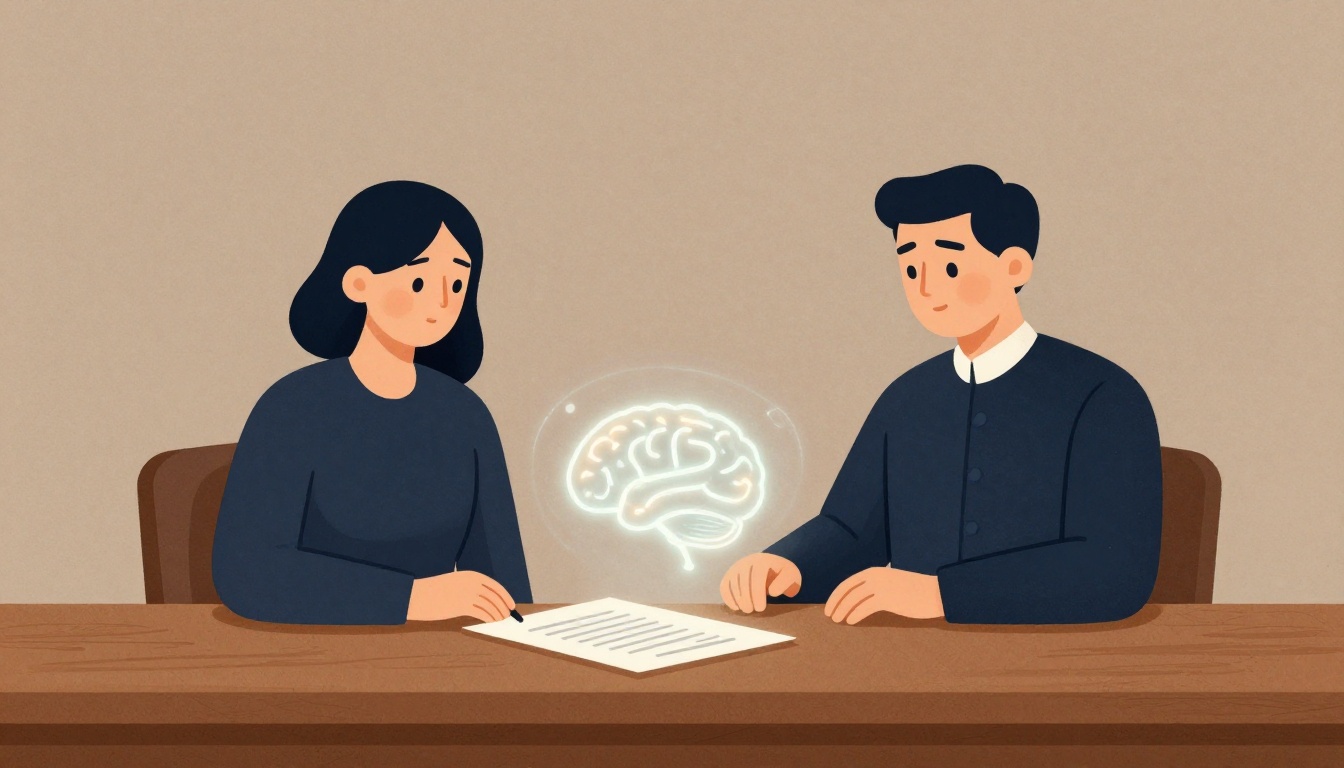
When you bring generative AI tools into your studio's production pipeline, the standard software license agreement you sign may not cover the unique risks these tools introduce. Unlike traditional software, generative AI can create new content, which raises questions about ownership, liability, and data use that standard contracts often leave ambiguous. Without careful negotiation, your studio could face intellectual property disputes, unexpected costs, or restrictions that limit how you use the AI-generated work in commercial projects.
What is the most critical clause to negotiate in a generative AI tool license for studio use?
Select one answer.
Understand the key risks in generative AI licenses
Generative AI software contracts must address third-party IP rights and the potential impact on usage, including licensing terms and usage restrictions (HLC). The core risk is that the AI model may have been trained on copyrighted material without permission, and if your studio uses that model to generate content for a commercial film, you could be liable for infringement. Legal professionals recommend focusing on clearly defining liability parameters when negotiating these agreements (Stradley).
Negotiate ownership of AI-generated output
The most critical clause to negotiate is ownership of the output. Some AI platforms claim ownership of content you generate, and some even require you to pay extra to obtain your own copyright (Medium). Your license should explicitly grant you full commercial rights to all output produced using the tool. If the vendor resists, ask whether they offer a "clean" or "commercially safe" model trained exclusively on licensed data — a growing category of tools from developers like Adobe, Getty Images, and Shutterstock (Luminate).
Define liability and indemnification
Because generative AI can produce unexpected or infringing content, liability allocation is a major negotiation point. Push for an indemnification clause that protects your studio if the AI tool's training data or output violates a third party's copyright. The vendor should bear responsibility for claims arising from their model's training data. Conversely, you should accept liability only for how you use the output — not for the underlying model itself.
Scope of use and restrictions
Clarify exactly how your studio can use the tool. Common restrictions to watch for include:
- Limits on the number of projects or total output volume
- Prohibitions on using output in commercial films or broadcast
- Geographic restrictions on where the content can be distributed
- Requirements to disclose AI use in end credits
Negotiate for broad usage rights that cover all current and foreseeable production needs. If the vendor offers tiered pricing based on usage, model your expected volume and negotiate a cap or flat rate.
Data privacy and training rights
Some AI tools may use your prompts or generated content to retrain their models. This is a major concern for studios that handle proprietary scripts, character designs, or client materials. Ensure the license includes a clause stating that your data will not be used for model training or improvement without your explicit consent. If the vendor cannot guarantee this, consider whether the tool is safe for your pipeline.
Audit and compliance terms
Enterprise and B2B licenses are often negotiable — especially regarding pricing, scope of use, liability limits, or support terms (Sirion). Negotiate audit rights so you can verify that the vendor's training data complies with copyright law. Also, include a right to terminate the license if the vendor is found to have used unlicensed data, with a full refund of fees paid.
Practical checklist for your next negotiation
Before signing any generative AI license, confirm these points are addressed in writing:
- Full commercial ownership of all output
- Indemnification for third-party IP claims
- No training on your data without consent
- Broad scope of use covering all project types
- Audit rights to verify training data compliance
- Termination rights for data violations
- Clear liability caps and exclusions
How the Featured Expert Can Help
Navigating AI tool licensing requires both legal and creative expertise. Parallax Black is a Dallas-based boutique AI video production studio that blends human creative direction with AI-accelerated filmmaking. Led by visual artist Adam Norton, the studio specializes in cinematic brand films and social content with character consistency and professional finishing. Their team can help you evaluate which AI tools fit your pipeline and advise on licensing terms that protect your creative and commercial interests.